

H1Z2Z2-K Solar Cable Installation: Strings, Routing and Termination
H1Z2Z2-K is the European-standard single-core cable for the DC side of a photovoltaic system, built and TÜV certified to EN 50618:2014. It interconnects solar modules and the electrical components of the PV system — module-to-module links, module-to-inverter strings and combiner runs. This guide covers the string, the route and the termination: how to choose the cross-section, how to route the cable so it lasts outdoors, and how to terminate it so the connection stays sealed.
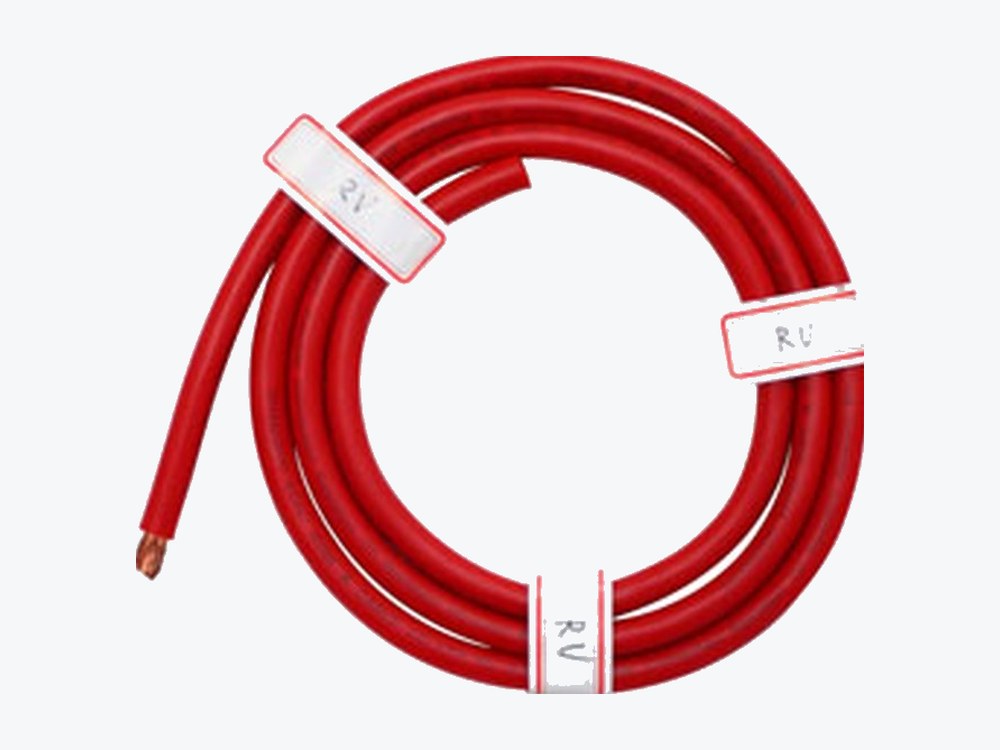
1. What H1Z2Z2-K is
The construction is a stranded tinned copper conductor with XLPE insulation and an XLPE jacket, in black, red, white/red or white/black. Rated voltage is AC 1.0/1.0 kV and DC 1.5 kV, conductor temperature 90 °C, and flame retardancy to IEC 60332-1-2. Chemical resistance is very good, and the XLPE jacket is made for long outdoor service. The base product is our H1Z2Z2-K solar cable, and the selector below it lists the full solar range — 65 standard PV constructions across four models, 0.5–35 mm² in copper and 4–240 mm² in aluminium.
H1Z2Z2-K sits alongside PV1-F (2PfG 1169) in the range, and it is the construction specified for European installations. The two cables share the same job — the DC side of the array — but the standard on the datasheet is what decides the specification: EN 50618 for H1Z2Z2-K. If your project specification names EN 50618, this is the cable to quote against.
65 PV rows in total: H1Z2Z2-K 16 + PV1-F 20 + PV-YJYJ 16 + PV 1500DC-AL 13. Every one of them is listed in our cable selector with its stock code, construction, outer diameter and weight — the numbers in this guide are recomputed from that selector, not from a catalogue summary.
2. The solar range in numbers
All four models in the solar range, with selector counts and size and outer-diameter ranges recomputed from our data. H1Z2Z2-K and PV-YJYJ are each listed twice in the selector — a national-standard series and a TÜV-certified full-section series with the same eight sizes — so the counts below count selector rows, and the size ranges show the distinct size grid.
| Model | Selector rows | Size range | Outer diameter |
|---|---|---|---|
| H1Z2Z2-K | 16 | 1.5–35 mm² | 4.6–13.0 mm (national-standard series; TÜV full-section series has no outer diameter listed — confirm before sizing glands) |
| PV1-F | 20 | 0.5–35 mm² | 4.2–14.0 mm |
| PV-YJYJ | 16 | 1.5–35 mm² | 4.6–13.0 mm (standard series; full-section series has no outer diameter listed) |
| PV 1500DC-AL | 13 | 1×4–1×240 mm² (aluminium) | 5.7–27.8 mm |
The wider selector group around the solar range holds 217 rows in total: the 65 PV rows above, plus 52 energy-storage rows, 64 JBF rows and 36 JBQ motor-lead rows. If your job mixes solar strings with battery storage or motor leads, the same selector covers all of it — one stock code per row, one outer diameter per row.
3. Choosing the cross-section
Eight real stock sizes from our cable selector — stock code, size, outer diameter and weight:
| Stock code | Size | Outer dia. | Weight |
|---|---|---|---|
| R1021100150 | 1.5 mm² | 4.6 mm | 35 kg/km |
| R1021100250 | 2.5 mm² | 5.0 mm | 50 kg/km |
| R1021100400 | 4 mm² | 5.6 mm | 65 kg/km |
| R1021100600 | 6 mm² | 6.2 mm | 85 kg/km |
| R1021101000 | 10 mm² | 7.4 mm | 135 kg/km |
| R1021101600 | 16 mm² | 9.0 mm | 200 kg/km |
| R1021102500 | 25 mm² | 11.0 mm | 305 kg/km |
| R1021103500 | 35 mm² | 13.0 mm | 410 kg/km |
The rule of thumb is simple: longer string runs and higher string current point to a larger cross-section, while short module-to-module links can use the smaller sections. The 4 mm² and 6 mm² sizes are the everyday string sizes; 25 mm² and 35 mm² are for long home runs back to the inverter or combiner. Sizes outside 1.5–35 mm² are enquiry-only — send the specification and we confirm availability.
Plan the handling, too: 35 mm² weighs 410 kg/km, which is 41 kg per 100 m, while 1.5 mm² weighs 35 kg/km, which is 3.5 kg per 100 m. A full drum of the large size is a two-person lift and needs a proper reel stand; the small sizes can be carried by hand.
4. Routing the string
Support the cable along its run so it never hangs free between fixings, and keep it off sharp edges — a cut in the XLPE jacket is the failure that starts in year one and shows up in year five. Leave a drip loop and service slack at the modules and at the inverter, so water runs off the loop instead of into the connector and so a module can be lifted out without cutting the string. Keep DC runs separated from AC runs, label every string at both ends, and keep polarity consistent along the whole string — red is positive, black is negative. The XLPE jacket is made for long outdoor service and the chemical resistance is very good, but that is no reason to lay the cable across a sharp metal edge or leave it dragging on the roof.
5. Terminating and sealing
Size the gland from the exact row’s outer diameter, never from the model name: a 6 mm² H1Z2Z2-K has an outer diameter of 6.2 mm, while a 35 mm² has an outer diameter of 13.0 mm — one gland cannot fit both. The TÜV-certified full-section rows have no outer diameter listed in the selector, so confirm the diameter with us before sizing a gland for those rows. Use generic PV connectors, crimped per the connector maker’s instructions, and seat the connector until it latches — a half-latched connector is the most common cause of a hot joint. Our guide to cable glands and shield termination shows how a gland seals against the jacket and why the seal is only as good as the diameter it was sized for.
6. Before you energise
Walk the string once, in daylight, before anything is switched on:
- No kinks or cuts anywhere along the run, and no cable resting on a sharp edge.
- Polarity and labels right on every string — red positive, black negative, the same at both ends.
- Every connector fully latched, with no gap you can see or feel.
- Every gland sealed against the jacket, with the drip loop hanging below the entry.
- Service slack left at the modules and at the inverter.
Remember that the DC side stays live in daylight — cover or isolate the modules before handling the string, even if the inverter is switched off.
Frequently asked questions
- H1Z2Z2-K or PV1-F — which one should I use?
- H1Z2Z2-K is the EN 50618 construction specified for European installations; PV1-F (2PfG 1169) sits alongside it in the same solar range. If your project specification names EN 50618, quote H1Z2Z2-K. Both are single-core DC-side PV cables, and both share the same 1.5–35 mm² national-standard size grid — the difference is the standard on the datasheet, not the job.
- Which cross-section does my string need?
- Longer string runs and higher string current point to a larger cross-section; short module-to-module links can use the smaller sections. The table in section 3 lists all eight standard sizes with outer diameters and weights — 4 mm² and 6 mm² are the everyday string sizes. If you are unsure, send us the string length and the string current and we will confirm the size.
- Can H1Z2Z2-K be buried directly?
- No — there is no published direct-burial rating for H1Z2Z2-K, so we do not recommend direct burial. Route the cable in conduit or tray, or ask us and we will confirm the right construction for a buried run.
- Which colour is positive?
- Red is positive and black is negative — keep the same colour on the same pole along the whole string, and label both ends. White/red and white/black are the other colour options for the same cable.
- What if my size is not in the selector?
- Send us the model, cross-section and outer diameter you need — plus what the cable feeds, so we can confirm the construction. Custom builds start at 300 m, and we usually give a formal quotation within one working day. See also our guide to custom cable assemblies made to drawing.
Send us your model, cross-section and outer diameter
Send the H1Z2Z2-K model, cross-section and outer diameter — plus the string length if you know it. We confirm the construction and usually quote within one working day.
Cable selector WhatsApp Request a quote